SHAWANO Lake fishing field guide

Shawano County, Wis. WBIC 322800 19 species

← All species

Present, but uncommon in the main basin.

Smallmouth bass

Micropterus dolomieu

A sand-and-muck bottom gives smallmouth almost nothing to hold on. Fish the current instead.

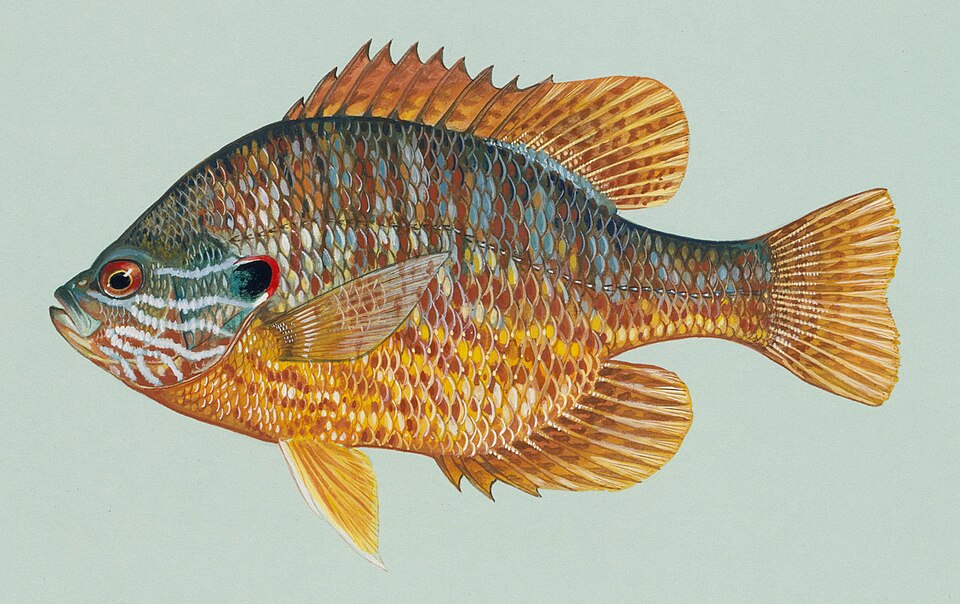
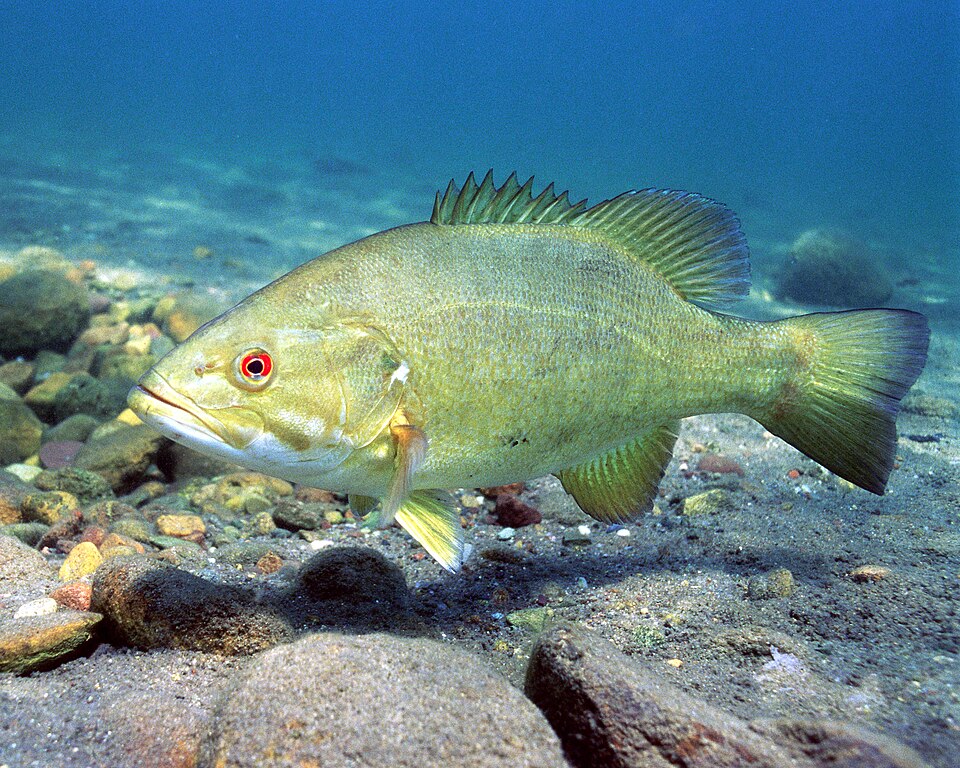
Illustration of a smallmouth bass, Micropterus dolomieu.

When to go

Best months for smallmouth bass on Shawano Lake: June and September.
January: slow.
February: slow.
March: slow.
April: season closed.
May: good.
Prime
June: prime.
July: fair.
August: fair.
Prime
September: prime.
October: good.
November: fair.
December: slow.
Spawn 55–65 °F
Ice, most years Ice
  • Prime
  • Good
  • Fair
  • Slow
  • Season closed

When smallmouth bass spawn here

May and June, when the shallows hold 55 to 65 °F

Smallmouth need hard bottom, and this lake is 88% sand with almost no rock. They spawn on the gravel and rip-rap in the Shawano Outlet and around the bridge pilings, not in the main basin.

Closed season. Closed March 8 to May 1.

Why the year looks like this

Every smallmouth pattern on this water is a current pattern. The outlet and the channel between the basins hold them in June and again in September. Midsummer they scatter.

Seasons come from the Wisconsin DNR regulation page for WBIC 322800, for the 2026-27 license year. The month ratings and the spawn dates are angling practice for this lake, not DNR findings. The spawn moves with the water temperature, so treat the dates as a normal year and the temperature as the trigger.

What the DNR measured

Shawano Lake basin
Not reported separately in the 2023 survey. Smallmouth were a target species for electrofishing but did not produce a stand-alone table.
Bottom composition
88% sand, 12% muck, no gravel or rock, which is the reason.

What that means on the water

The 2023 comprehensive report lists smallmouth as an electrofishing target but publishes no size or abundance table for them, which tells you how few came to the boat. Anglers do log them: Fishbrain users report 608 smallmouth catches around Shawano against 2,267 largemouth.

Where to find it

  • The channel to Loon Lake, where current runs between the two basins.
  • The Shawano Outlet and the Wolf River, on any hard bottom or rip-rap.
  • Bridge pilings and dock cribs, which are the closest thing to rock in the main basin.

How to catch it

  • A 2.75-inch tube or a Ned rig on a 1/8 oz head, on any hard bottom you can find.
  • Small crankbaits and jerkbaits in the current.
  • Live crawlers on a slip sinker off the rip-rap.

What to tie on

Sizes and weights, not brand names. Every picture is a real piece of tackle, and the drawn plates carry a ruler. The full gear page explains the words.

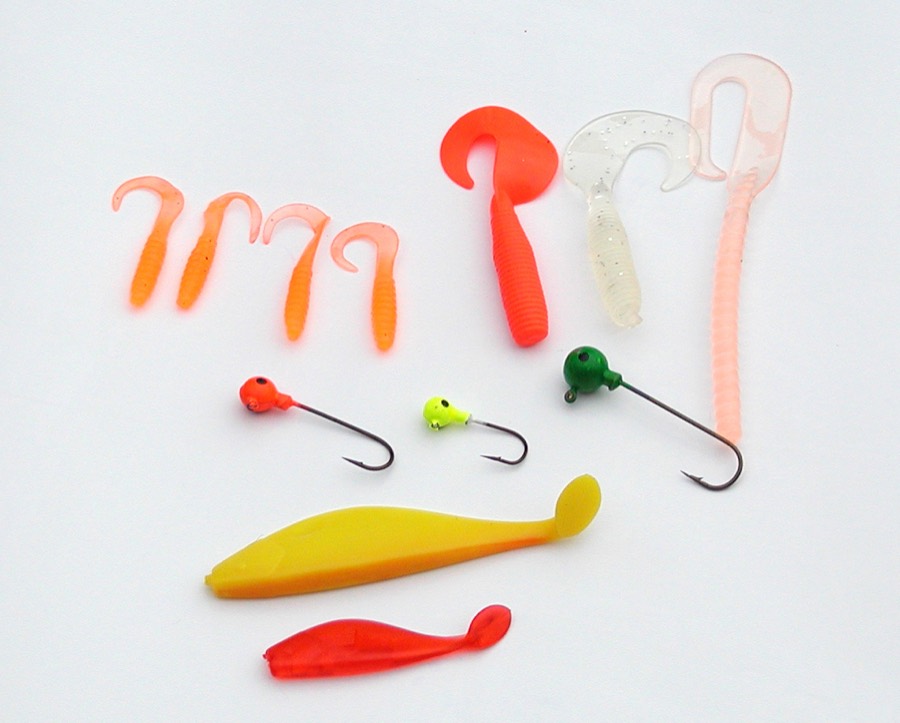
A handful of soft plastic curly-tail grub bodies in several colors.

Lure · Start here

Curly-tail grub

2 inch for panfish, 3 inch for walleye and bass. White, chartreuse, or motor-oil brown in stained water.

A soft plastic body with a flat tail that rolls as it moves. It costs about 20 cents and it goes on a jig head.

On this lake. Shawano Lake runs stained, so the fish find this by the vibration of the tail before they see it. That is why a grub outfishes a plain jig here on a windy day.

  • January: no.
  • February: no.
  • March: no.
  • April: yes.
  • May: yes.
  • June: yes.
  • July: yes.
  • August: yes.
  • September: yes.
  • October: yes.
  • November: yes.
  • December: no.
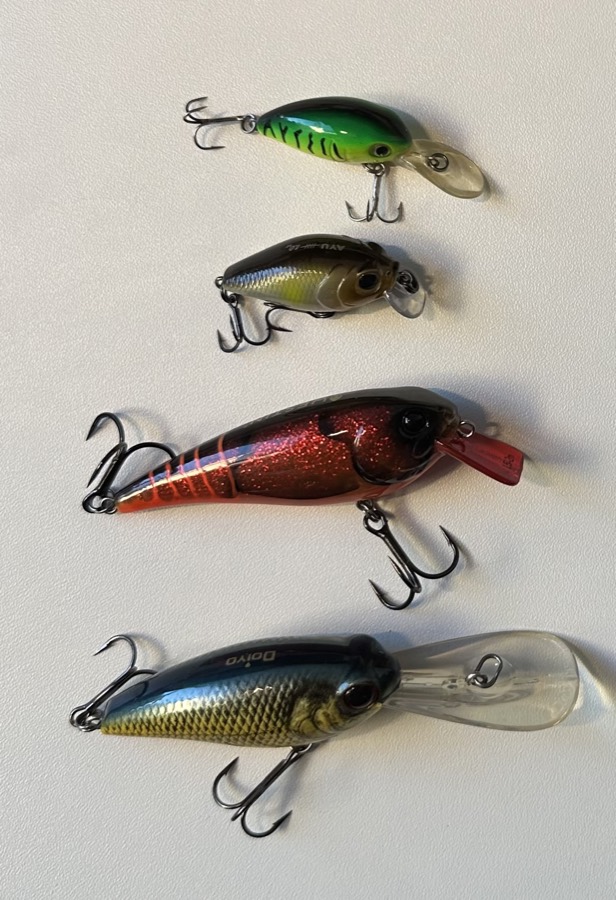
A row of hard plastic crankbaits with diving lips and treble hooks.

Lure

Crankbait

Shallow-running, 2 to 3 inches, rated to 6 to 8 feet. Perch and shiner patterns, or firetiger in stained water.

A hard plastic minnow with a plastic lip on the nose. The lip drives it down as you reel, and the deeper the rating you buy, the bigger the lip.

On this lake. Troll it along the outside weed edge in 6 to 8 feet for walleye. This is the classic Shawano evening pattern, and the weed edge is where it lives, so keep the lure ticking the top of the cabbage.

  • January: no.
  • February: no.
  • March: no.
  • April: no.
  • May: yes.
  • June: yes.
  • July: yes.
  • August: yes.
  • September: yes.
  • October: yes.
  • November: no.
  • December: no.
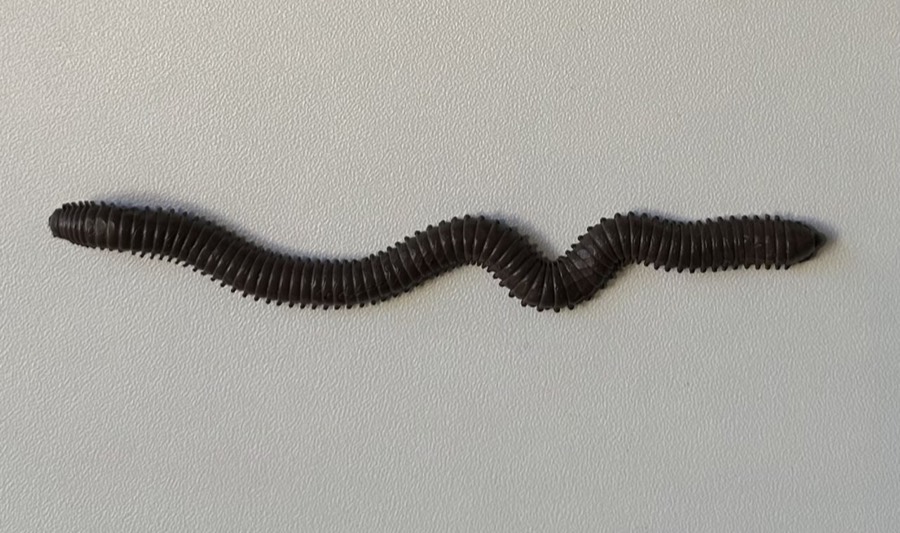
A soft plastic worm bait, rigged straight on a hook.

Lure

Plastic worm

5 to 7 inches, green pumpkin or black. Weightless on a 1/0 wide-gap hook.

A soft plastic worm on a hook buried in its own body, so it comes through weed and dock cribbing clean. With no weight it falls slowly and horizontally.

On this lake. Skip it under the boat docks along the north shore and let it sink on a slack line. Shawano largemouth sit in that shade all summer, and a slow fall in the shade beats anything moving fast.

  • January: no.
  • February: no.
  • March: no.
  • April: no.
  • May: yes.
  • June: yes.
  • July: yes.
  • August: yes.
  • September: yes.
  • October: no.
  • November: no.
  • December: no.

Seasons and limits come from the Wisconsin DNR regulation page for WBIC 322800, for the 2026-27 license year. The lures, depths and water temperatures are angling practice for this lake, not DNR findings. Rules change every license year, and the DNR page is the authority.

Spots on this lake for smallmouth bass

2 of the 10 named areas hold smallmouth bass. Tap a marker for the reason.

SpotWhy it holds them
The channel to Loon LakeA quarter mile of moving water joins the north shore of Shawano Lake to the south tip of Loon Lake. Current concentrates bait, fish move through it in both directions, and the DNR PIT tag arrays went in exactly here in 2024 to measure that movement. Anglers call this stretch the Narrows.
Shawano Lake OutletThe channel that drains the lake into the Wolf River, and the best-scoring water in the whole system. Largemouth size structure of 73 against 49 in the main lake, and the longest yellow perch the DNR measured at 12.6 inches. Spring runs of walleye, pike and musky pass through it.

All 10 spots and the season-by-season pattern

Records and rules

Season on Shawano Lake
May 2 to March 7. Best in the moving water of the outlet in spring and fall.
Limit
14-inch minimum, 5 per day, combined with largemouth.
Wisconsin state record
9 lbs 1 oz
Where the record came from
Indian Lake, Oneida County, 1950-06-21
Registers as a trophy at
20 inches, DNR live-release standard