SHAWANO Lake fishing field guide

Shawano County, Wis. WBIC 322800 19 species

← All species

Abundant.

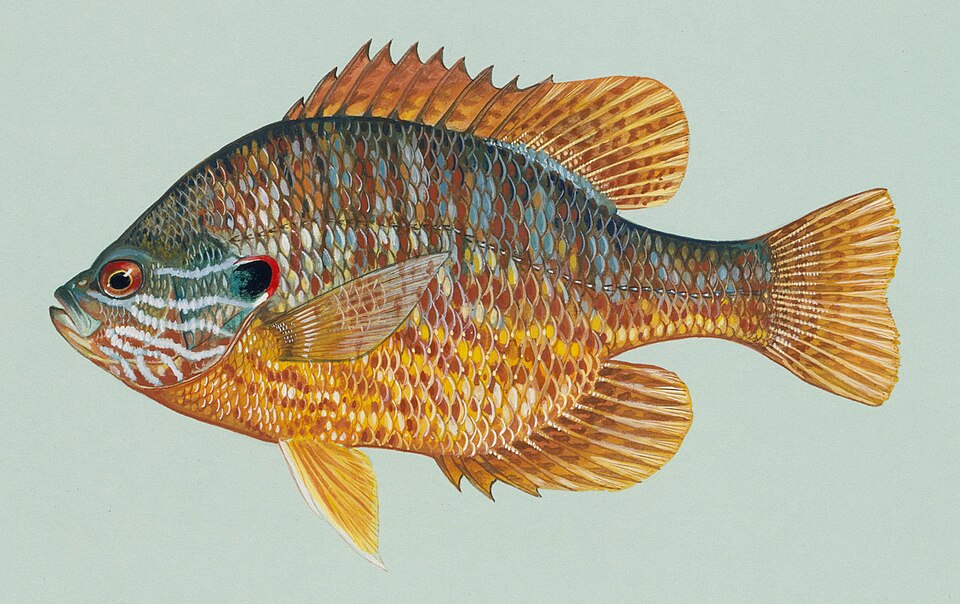
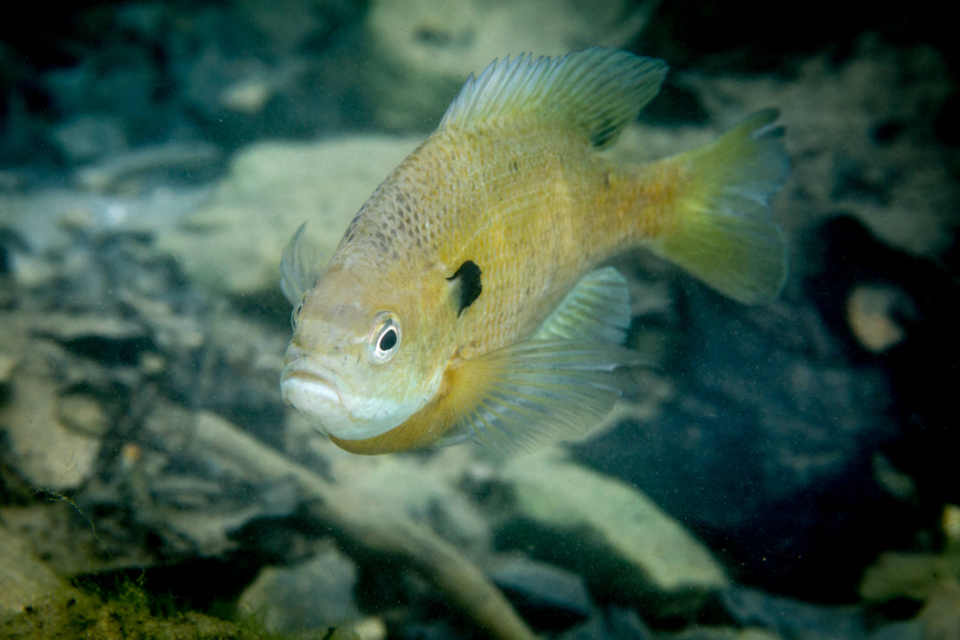
Bluegill

Lepomis macrochirus

A 7-inch Shawano bluegill has been alive for about seven and a half years. The lake holds a lot of them and grows them slowly.

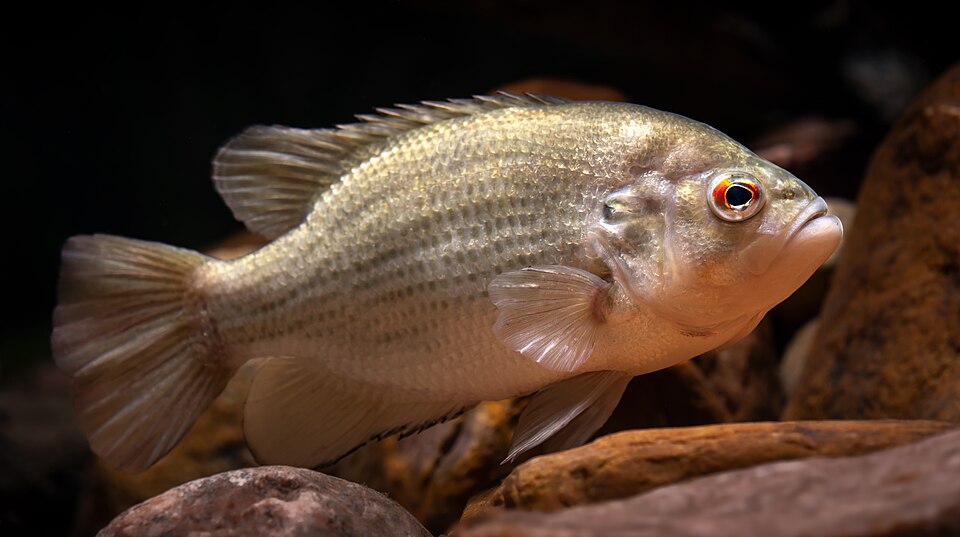
Illustration of a bluegill, Lepomis macrochirus.

When to go

Best months for bluegill on Shawano Lake: June.
January: good.
February: good.
March: fair.
April: fair.
May: good.
Prime
June: prime.
July: good.
August: fair.
September: good.
October: fair.
November: fair.
December: fair.
Spawn 65–75 °F
Ice, most years Ice
  • Prime
  • Good
  • Fair
  • Slow
  • Season closed

When bluegill spawn here

May and June, when the shallows hold 65 to 75 °F

Beds are visible saucers on the sand under the weed growth, on the north shore flats off the county park and through Cecil Bay. Late May into June in a normal year, and they will re-bed into July if the weather knocks them off.

Why the year looks like this

On the beds you can catch them all day in 2 to 6 feet. After the spawn they pull out to the 6 to 12 foot weed edge and the bite goes to morning and evening. Ice fishing is steady, on the weed flats in 8 to 14 feet.

Seasons come from the Wisconsin DNR regulation page for WBIC 322800, for the 2026-27 license year. The month ratings and the spawn dates are angling practice for this lake, not DNR findings. The spawn moves with the water temperature, so treat the dates as a normal year and the temperature as the trigger.

What the DNR measured

Fish measured, 2023 (main lake, both gears)
771
Length range
2.5 – 8.9 inches
Electrofishing catch rate
123.3 per mile, 62nd percentile statewide
Fish 7 inches and over
8.0 per mile, 56th percentile
Size structure (PSD)
36, which is the 53rd percentile statewide
Growth
A 7-inch male is about 7.4 years old. That is the 12th percentile statewide. Slow.

What that means on the water

Density and size both sit near the statewide middle, and growth sits near the bottom. The report points at angler harvest of the big ones as the likely driver, and says regulation changes could help. Note the contrast inside the system: a Wolf River Pond male reaches 7 inches in 4.9 years, roughly two and a half years faster than the same fish in the main lake.

Where to find it

  • Fish the weed flats and the inside weed edge in 4 to 10 feet.
  • Cecil Bay at the east end, shallow and weedy.
  • Loon Lake, north through the channel.
  • Wolf River Pond, if you want the biggest ones. It holds the highest density of bluegill over 7 inches in the whole system.

How to catch it

  • A 1/32 oz jig on a #10 hook, tipped with a half inch of crawler or one waxworm, under a slip float.
  • Small poppers on a fly rod over the flats in June.
  • On ice, a 3 or 4 mm tungsten jig tipped with a waxworm.

Month-by-month calendar for bluegill

Fish the north shore flats off the county park with a small jig or a worm, and put the biggest fish back.

What to tie on

Sizes and weights, not brand names. Every picture is a real piece of tackle, and the drawn plates carry a ruler. The full gear page explains the words.

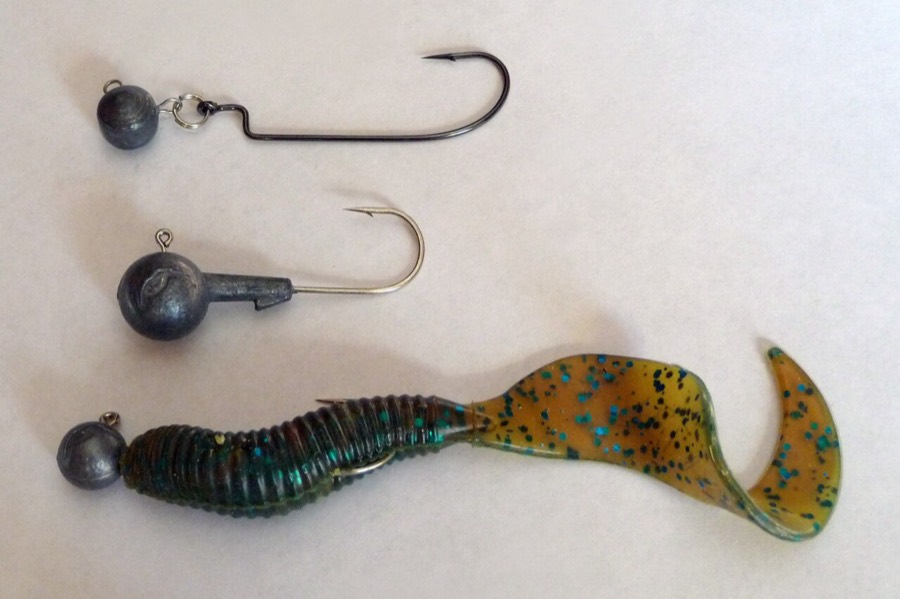
Two bare lead jig heads and a third rigged with a green curly-tail plastic body.

Lure · Start here

Panfish jig

1/32 oz round head, #8 or #10 hook. Chartreuse, black, or white.

A ball of lead moulded onto a hook. You thread a soft plastic body onto the hook, or you hang a waxworm off it, and it sinks at a steady rate you can count.

On this lake. This is the single most useful lure on Shawano Lake. Hang it 18 inches under a slip float on the north shore flats and it catches bluegill, pumpkinseed and crappie all summer. Count it down along the weed edge in 6 to 12 feet after the spawn.

  • January: yes.
  • February: yes.
  • March: yes.
  • April: yes.
  • May: yes.
  • June: yes.
  • July: yes.
  • August: yes.
  • September: yes.
  • October: yes.
  • November: yes.
  • December: yes.
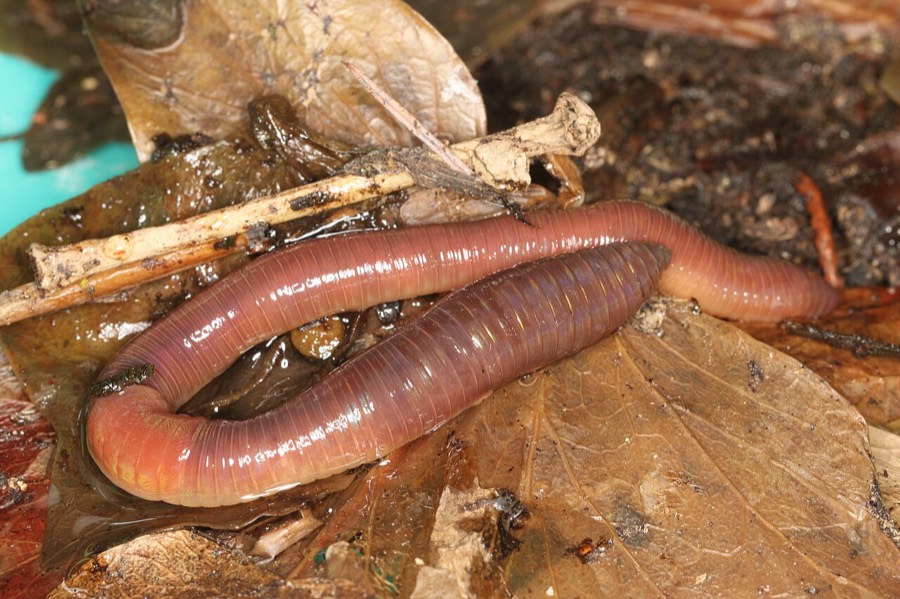
A nightcrawler, the large earthworm sold as fishing bait.

Live bait

Nightcrawler

A dozen in a foam cup, about $4 at any bait shop in Shawano or Cecil.

A big earthworm, four to six inches long. It is not a garden worm and it is not a red wiggler. For panfish you pinch off a half-inch piece; the whole worm is for catfish and bullhead.

On this lake. A half inch of crawler on a #10 hook under a float, fished within a cast of shore, is the easiest fish you will catch on this lake. It is also what to hand a kid.

  • January: no.
  • February: no.
  • March: no.
  • April: yes.
  • May: yes.
  • June: yes.
  • July: yes.
  • August: yes.
  • September: yes.
  • October: yes.
  • November: no.
  • December: no.
Slip float rig A slip float rig from top to bottom: bobber stop, bead, sliding float, split shot, and a jig, with the fishing depth marked. THE SLIP FLOAT RIG The float slides up the line until it hits the stop, so you can fish 14 feet down and still cast it. SURFACE BOBBER STOP A knot you slide up or down to set the depth. BEAD Keeps the knot from pulling through the float. SLIP FLOAT An inch of foam. It slides on the line, it does not tie on. SPLIT SHOT One BB, about 12 inches above the jig. 1/32 OZ JIG Tipped with a pinch of crawler or one waxworm. SET IT TO THE FISH 2 to 6 ft on the spawn 8 to 14 ft through the summer Crappie in Shawano Lake suspend off the bottom. A bait under them catches nothing, so find the depth on your electronics first and set the stop to it.

Terminal tackle

Slip float

1 inch foam slip float, one bobber stop, one bead, one BB split shot.

A float with a hole through it. The line runs through the float, so the float sits at the reel while you cast and slides up to the stop knot once the bait sinks. That is how you fish 14 feet deep with an 8-foot rod.

On this lake. Crappie on this lake suspend at 8 to 14 feet next to submerged weeds from June to August, and they do not come up for a bait. Find the depth on your electronics, set the stop to it, and leave it there.

  • January: no.
  • February: no.
  • March: no.
  • April: yes.
  • May: yes.
  • June: yes.
  • July: yes.
  • August: yes.
  • September: yes.
  • October: yes.
  • November: no.
  • December: no.
Tungsten ice jigs Four tungsten ice jigs drawn to scale, from 2 to 5 millimetres, with a ruler. Four millimetre is the local standard. TUNGSTEN ICE JIGS, DRAWN TO SCALE Tungsten is denser than lead, so a smaller bait drops on the same line. The size is quoted in millimetres. 2 mm Finicky bluegill, late ice 3 mm Bluegill and pumpkinseed 4 mm The local standard for crappie and perch 5 mm Crappie in 25 feet, or wind 1 inch 0 50 MM

Lure

Tungsten ice jig

4 mm tungsten. Glow white, or plain black with a red hook.

A tiny weight of tungsten on a small hook. Tungsten is denser than lead, so a small bait still drops fast on light line, which is why it replaced lead heads for winter panfish.

On this lake. 4 mm is the local winter standard here for crappie and perch. Tip it with two spikes or one waxworm. Fish it 15 to 25 feet in the west basin hole for crappie, and 4 to 5 feet in the flooded timber for perch.

  • January: yes.
  • February: yes.
  • March: yes.
  • April: no.
  • May: no.
  • June: no.
  • July: no.
  • August: no.
  • September: no.
  • October: no.
  • November: no.
  • December: yes.

Seasons and limits come from the Wisconsin DNR regulation page for WBIC 322800, for the 2026-27 license year. The lures, depths and water temperatures are angling practice for this lake, not DNR findings. Rules change every license year, and the DNR page is the authority.

Spots on this lake for bluegill

5 of the 10 named areas hold bluegill. Tap a marker for the reason.

SpotWhy it holds them
Cecil Bay and the east taperThe lake narrows to under a mile from north to south at its east end and shallows out. Heavy vegetation, warm water, and the Cecil launch right on it. This is the best largemouth and panfish water on the east half.
North shore flats, off the county parkSand bottom under weed growth, with the biggest launch on the lake a cast away. The DNR electrofished this shoreline and counted 123.3 bluegill and 85.3 pumpkinseed per mile.
Wolf River PondThe slack water above the Shawano dam. It produced the longest crappie in the 2023 survey at 13.1 inches, and its bluegill reach 7 inches roughly two and a half years faster than the fish in the main lake.
Loon LakeThe connected basin to the north. The DNR netted 459 black crappie here, more than any other water in the system, though the average fish runs small and growth is the slowest of the five waters.
Washington LakeSmall, weedy and connected, northeast of the main lake. Crappie density hits the 84th percentile statewide and perch the 88th, but the panfish size structure is the weakest of the five waters. Treat it as a numbers stop.

All 10 spots and the season-by-season pattern

Records and rules

Season on Shawano Lake
Open all year. The spawn is at 67 to 80 degrees, so late June is the shallow bite.
Limit
Counted as panfish. No minimum length, 10 per day.
Wisconsin state record
2 lbs 9.8 oz, 12.0 in
Where the record came from
Green Bay, Brown County, 1995-08-02
Registers as a trophy at
12 inches, DNR live-release standard